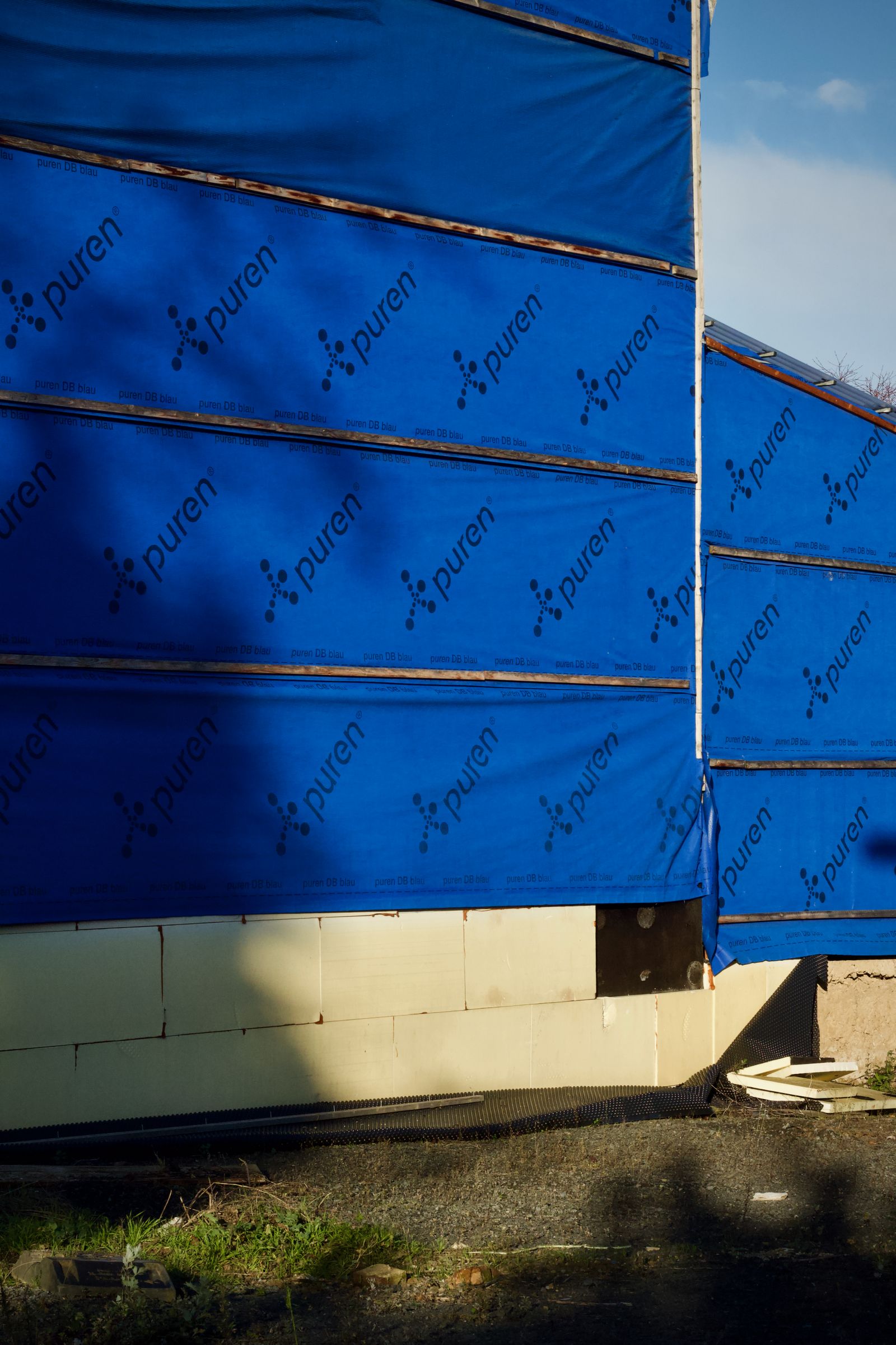
We install spray foam insulation for homeowners, builders, and businesses throughout St. Charles and the surrounding county — built to meet local energy code and ready for Missouri's hot summers and cold winters. Fast, free quotes.
Missouri doesn't have one single statewide residential energy code, but St. Charles County has adopted its own — the 2021 International Residential Code with local amendments — which sets minimum R-values by component and requires a permanent insulation certificate posted in the home. A lot of older homes in the area predate these standards entirely, and even homes built to code can benefit from spray foam's tighter seal compared to standard batt insulation.
Whole-home insulation upgrades, additions, and new construction.
See residential insulation →Seal and insulate attics to stop heat loss and summer heat gain.
See attic insulation →Seal walls and floors for steadier indoor temperatures year-round.
See wall & floor insulation →Seal hard-to-reach crawl spaces against drafts and humidity.
See crawl space insulation →Insulation for commercial buildings, warehouses, and metal structures.
See commercial insulation →Good to know: New construction and major additions in St. Charles County need to meet minimum R-value requirements by component, and a permanent certificate listing the installed R-values is typically required near the furnace or in a utility room.
Whether you're building new or upgrading an older home, knowing what the current code actually requires helps avoid surprises during inspection. Spray foam's higher R-value per inch compared to standard batt insulation makes it easier to meet these requirements without adding excessive wall or roof thickness.
Closed cell foam is denser and has a higher R-value per inch, making it the common choice for most walls, roof decks, and areas where structural rigidity helps — including basement and crawl space walls where moisture resistance matters. Open cell foam expands more and is useful for filling irregular cavities, though it has a lower R-value per inch and is more common in interior wall applications for soundproofing.
Square footage, whether the job calls for open or closed cell foam, and how accessible the space is (a straightforward attic vs. a tight crawl space vs. new construction framing) all factor into price. A quick call gets you an accurate quote based on your specific project.
Yes. St. Charles County has adopted the 2021 International Residential Code with local energy amendments, which set minimum R-value requirements by component and require a permanent certificate — usually posted near the furnace or in a utility room — listing the R-values installed in the ceiling, walls, and foundation. New construction and major additions need to meet these requirements.
Closed cell foam is denser, has a higher R-value per inch, and adds some structural rigidity, making it the common choice for most walls and roof decks. Open cell foam expands further and fills irregular gaps well, which makes it useful in hard-to-reach cavities, though it has a lower R-value per inch.
Yes. Spray foam works for both new construction and retrofits, and a lot of the older housing stock around St. Charles was built well before current energy code standards, which is often where the biggest comfort improvement shows up.
Cost depends on square footage, whether it's open or closed cell, and how accessible the area is (attic vs. crawl space vs. new construction walls). Because those factors vary a lot, the most accurate number comes from a quick call.
We install spray foam insulation throughout St. Charles and the surrounding St. Charles County communities, including:
Don't see your town listed? Call us anyway — we cover most of St. Charles County and can often help just outside these areas too.
Tell us about your project and we'll get you a fast, free quote — no obligation.
Call (314) 310-8745 Request a Quote Online