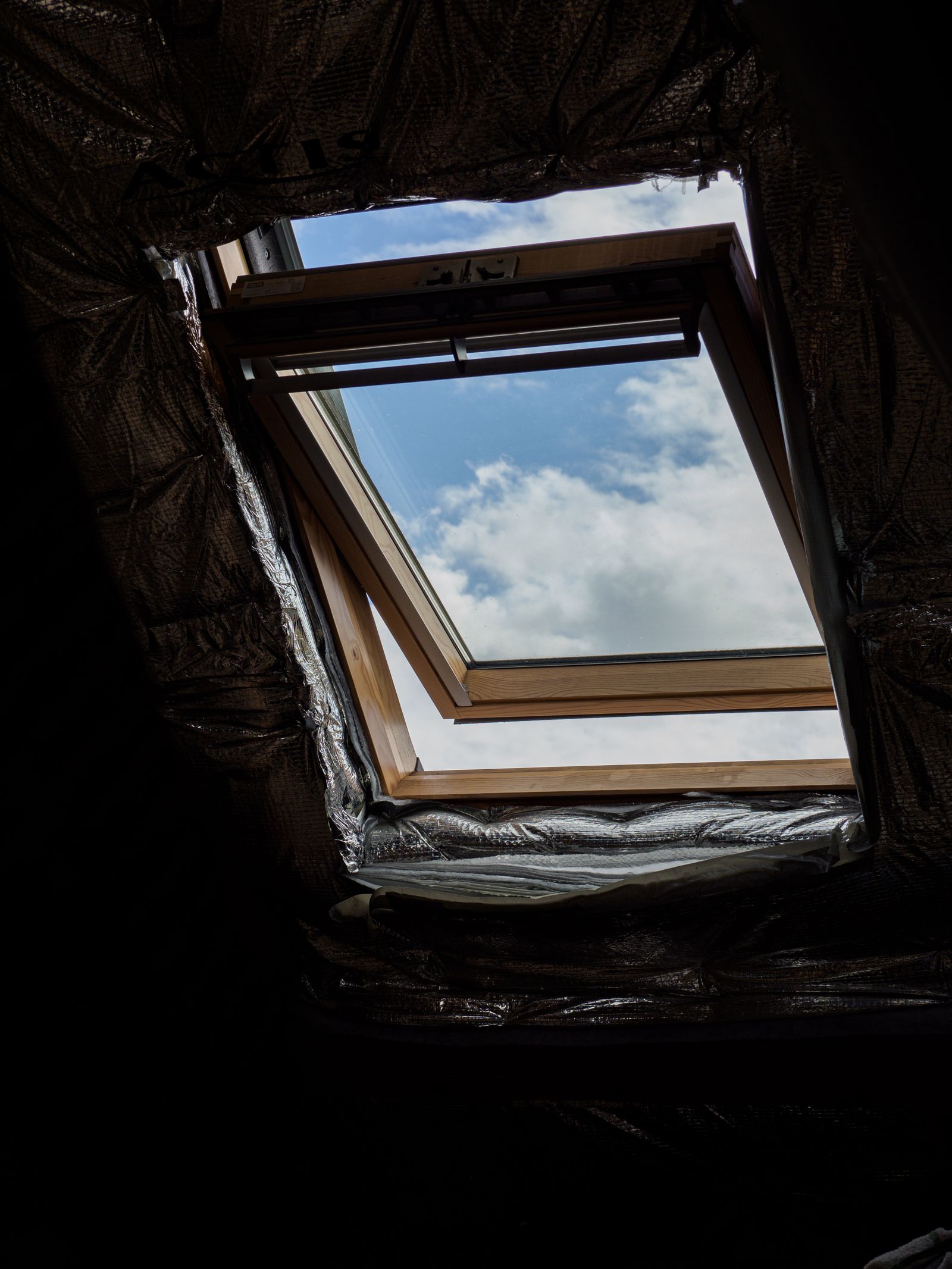
Seal and insulate your attic to stop winter heat loss and summer heat gain, lowering energy bills year-round.
Spray foam is applied either along the attic floor (to seal off the space as unconditioned) or along the roofline itself (to bring the attic, and often the ductwork inside it, into the home's conditioned envelope). Which approach makes sense depends on your goals and whether HVAC equipment lives in the attic.
Noticeably hot upstairs rooms in summer, cold rooms in winter, high energy bills, or an attic that's never had more than a thin layer of old insulation are all signs it's time for an upgrade. Many homes in the St. Charles area, especially older ones, were built with attic insulation well below what's recommended today.
St. Charles sees both hot, humid summers and cold winters, which means an attic needs to perform in both directions. Heat radiating down from an unsealed attic in summer forces your AC to work harder, while the same gaps let heat escape in winter. A properly sealed attic addresses both problems with the same upgrade.
Attic size, roof pitch and accessibility, and whether you're sealing the floor or the roofline all factor into price. Steeper or harder-to-access attics may take more time, which is reflected in the quote.
If your attic already has some insulation, it may need to be removed or accounted for before spray foam goes in, and existing vents may need adjusting depending on the approach used. We'll assess what's already there rather than assume every attic starts from a blank slate.
Yes, significantly. In St. Charles's hot, humid summers, an unsealed attic can radiate heat down into living spaces and make your AC work much harder. A properly sealed attic addresses both winter heat loss and summer heat gain.
It depends on whether the attic is meant to be conditioned space (usable room, or housing ductwork/HVAC equipment) or just a sealed, unconditioned area. We can walk through which approach fits your home and goals.
Most homeowners see a noticeable reduction in both heating and cooling costs after a proper attic seal, since attics are one of the biggest sources of energy loss in a typical home, in both directions.
Depending on the approach (vented vs. unvented/conditioned attic), ventilation needs change. This is exactly the kind of detail that matters for meeting St. Charles County's energy code correctly, so it's worth getting right rather than guessing.
Tell us about your project and we'll get you a fast, free quote — no obligation.
Call (314) 310-8745 Request a Quote Online